

The $100 is deducted from $500 to get a final debit balance of $400. The balance of the accumulated depreciation account contains the cumulative amounts charged to depreciation expenses over time. This entry directly reduces both accounts receivable and the allowance for doubtful accounts since it is already proven that the amount can no longer be recovered. Bad debts expense is not recorded anymore since it was already recorded in advance on previous periods. By the end of June 2023, you have already earned $10,000 which is the amount of monthly rent per tenant multiplied by 10 tenants. The above adjusting entry recognizes the rent income you’ve already earned and sets up a receivable account for it.
The Role of Adjustment Entries in Financial Statements
They involve postponing the recognition of revenue or expenses to a future period when the actual transaction occurs. This helps in matching revenues and expenses to the period in which they are earned or incurred, adhering to the accrual basis of accounting. Accruals help ensure that financial statements reflect the true financial position of a company at the end of the accounting period. Without these adjustments, revenues and expenses might be misstated, leading to inaccurate financial reports.
- As a result the company will incur the utility expense before it receives a bill and before the accounting period ends.
- Examples of accrued expenses include salaries, interest, and taxes.
- Accountants are looking for the adjusting entries of this transaction.
- Delving further, we will outline the step-by-step process of creating and adjusting entries and understand how automation plays a crucial role in adjusting entries seamlessly.
- D. Adjusting journal entries are required when cash is paid in a different period that a revenue is earned or an expense is incurred.
The matching principle

The amount of bad debts are usually estimated by applying a percentage that is determined from bad debt history. However, companies are aware of the inherent risks of extending credit to customers. This is the reason why they would estimate the amount that they deem to be uncollectible or no longer recoverable from their customers. This amount, which is considered as bad debt is an expense of the business and should eventually be written off. Prepaid Expense represents expense that is already paid but not yet incurred.
Non-Cash: depreciation, estimation
As of December 31st, the company has 3 months of future benefit (Jan – Mar of next year). 3 months of benefit was used up as time passed (October to December). Once the need for an adjustment entry has been identified, the bookkeeper or accountant must determine the accounts that need to be adjusted and the amount of the adjustment. Years 2019 to 2022 will have full $6,000 annual depreciation expense.
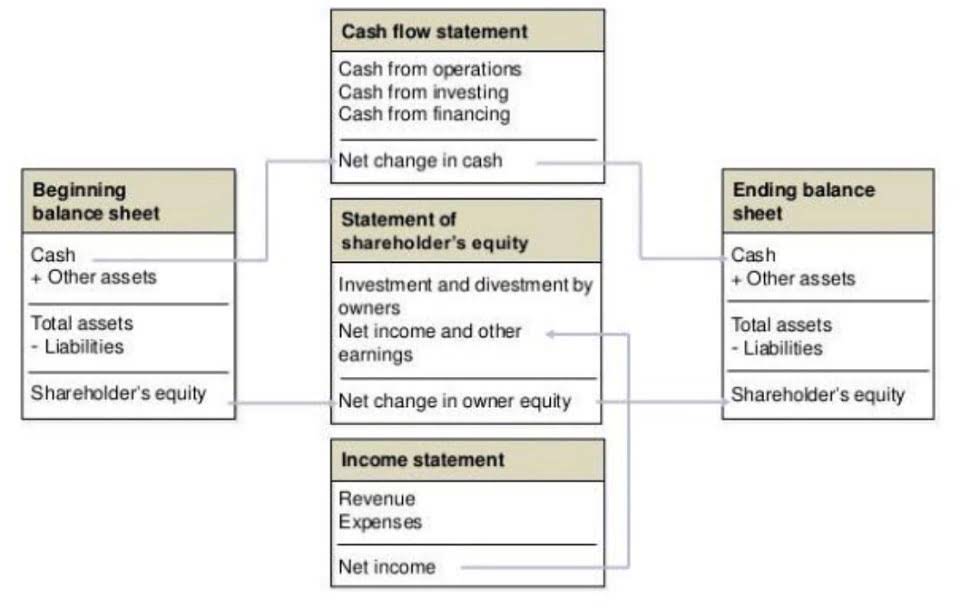
Because Allowance for Doubtful Accounts is a balance sheet account, its ending balance will carry forward to the next accounting year. Because Bad Debts Expense is an income statement account, its balance will not carry forward to the next year. Bad Debts https://www.bookstime.com/ Expense will start the next accounting year with a zero balance.
- Expenses are considered to be incurred when those expenses are paid.
- These characteristics highlight the role of adjusting entries in achieving accurate, compliant, and reliable financial reporting.
- This helps in matching revenues and expenses to the period in which they are earned or incurred, adhering to the accrual basis of accounting.
- Once you’ve wrapped your head around accrued revenue, accrued expense adjustments are fairly straightforward.
- Adjusting entries are crucial for ensuring that a company’s financial statements accurately reflect its financial position at year-end.
Accrued revenues occur when a company earns income but hasn’t yet billed the client or received payment. Adjusting entries are part of this process and help ensure that financial statements comply with these standards. This is especially important for companies that are publicly traded or seeking investors. Businesses using the accrual accounting method are required to Liability Accounts follow generally accepted accounting principles (GAAP). In this article, we’ll highlight five adjusting entries examples, with practical tips for each type, to help you manage your books accurately and effectively.
Financial Reporting
- For example, if a company has an account receivable that is unlikely to be collected, an adjustment entry is made to reduce the value of the asset.
- As you end the accounting period each month, you need to prepare an adjusting entry to transfer the expired portion of the prepaid insurance to an expense account.
- However, during the month the company provided the customer with $800 of services.
- The entire payment of $2,400 should not be recognized immediately as expense when you paid the amount in advance.
- The amount of bad debts are usually estimated by applying a percentage that is determined from bad debt history.
These adjustments help in presenting a true picture of the company’s financial health and operational efficiency. Accrued revenues represent income that has been earned but not yet received or recorded. This might include services provided to a customer that have not yet been billed. Adjusting entries for accrued revenues ensure that income is recognized in the period it is earned, regardless of when payment is received.
Record the Adjusting Entries

These adjustments help in identifying any issues in inventory management and provide a clearer picture of the company’s financial health. Year-end procedures often involve reviewing and adjusting these estimates to reflect the most accurate financial information. This process ensures that the financial statements provide a true and fair view of the adjusting entries examples company’s financial health.
No Comments